After a barefoot morning among the dunes of Erg Chebbi, we set out towards Fez. On the map, a road connected two points. In reality, a whole succession of Moroccos lay between them: a stone workshop full of fossils, a pause beside a camel in Damia, smoky grills in Zaida, monkeys among cedars and the neat paths of Ifrane. We left the desert gradually, a little at each stop.
Erfoud – New Life for Ancient Stone
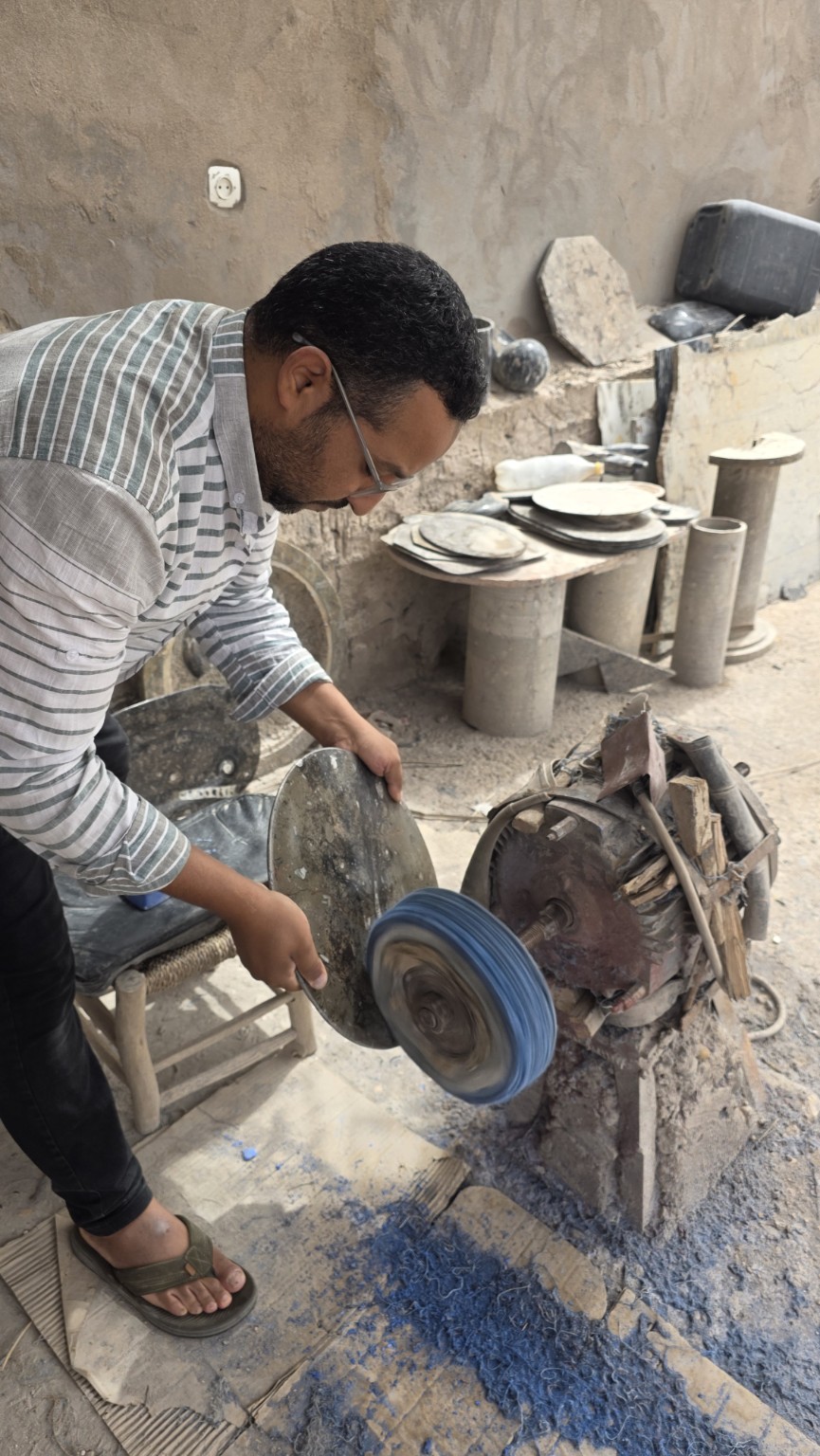
At the start of the journey, we stopped in Erfoud, at a souvenir shop with a workshop making objects from fossil-bearing stone. We were shown the whole process, from rough rock to shaped and polished surfaces. Among tools, slabs and finished bowls, it was easier to appreciate the labour behind something a traveller might glance at for only seconds in a shop window. A craftsman pressed a stone object against a rotating wheel and continued working before us; other pieces waited behind him, each with its own pattern.
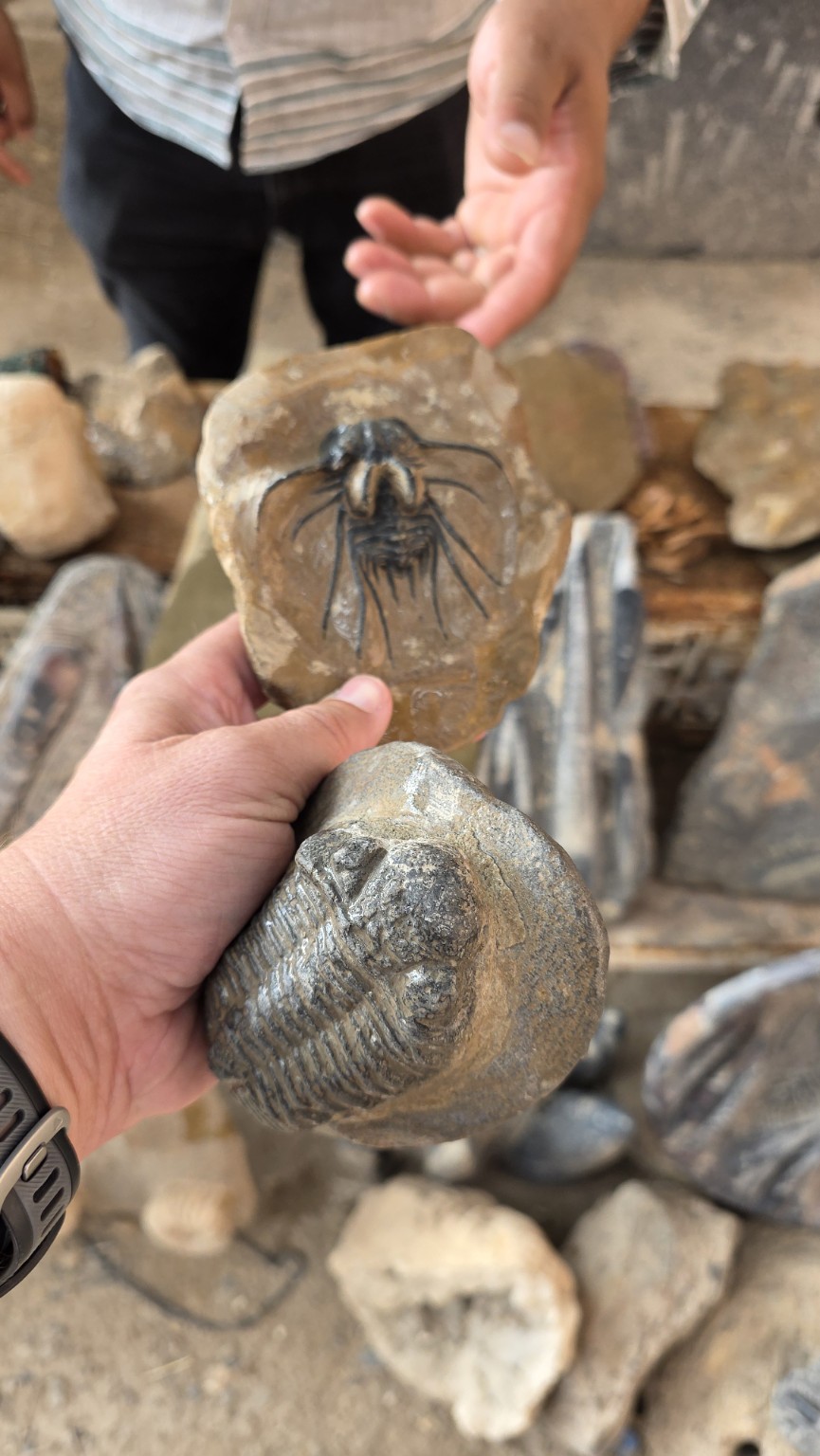
I held a stone in which the body of a creature from a distant past was clearly outlined. After sand had slipped through my fingers the previous morning, I was now looking at something preserved in rock for an almost unimaginable span of time. The area’s fossils testify to a former marine environment. It is difficult to reconcile that image with today’s dry landscape, but the contrast interested me most: standing above a trace of the sea on the road away from the Sahara.
Working fossil-bearing stone is an important part of the area’s economy. Behind a finished souvenir lie sourcing the material, preparation, cutting, shaping, polishing and selling. What we had earlier viewed as a feature of the landscape during our outing around Merzouga acquired a human dimension here: work, skill and daily life. The buyer takes home an object; this time, I took away the memory of how it was made.
Damia – A Pause with Unusual Company
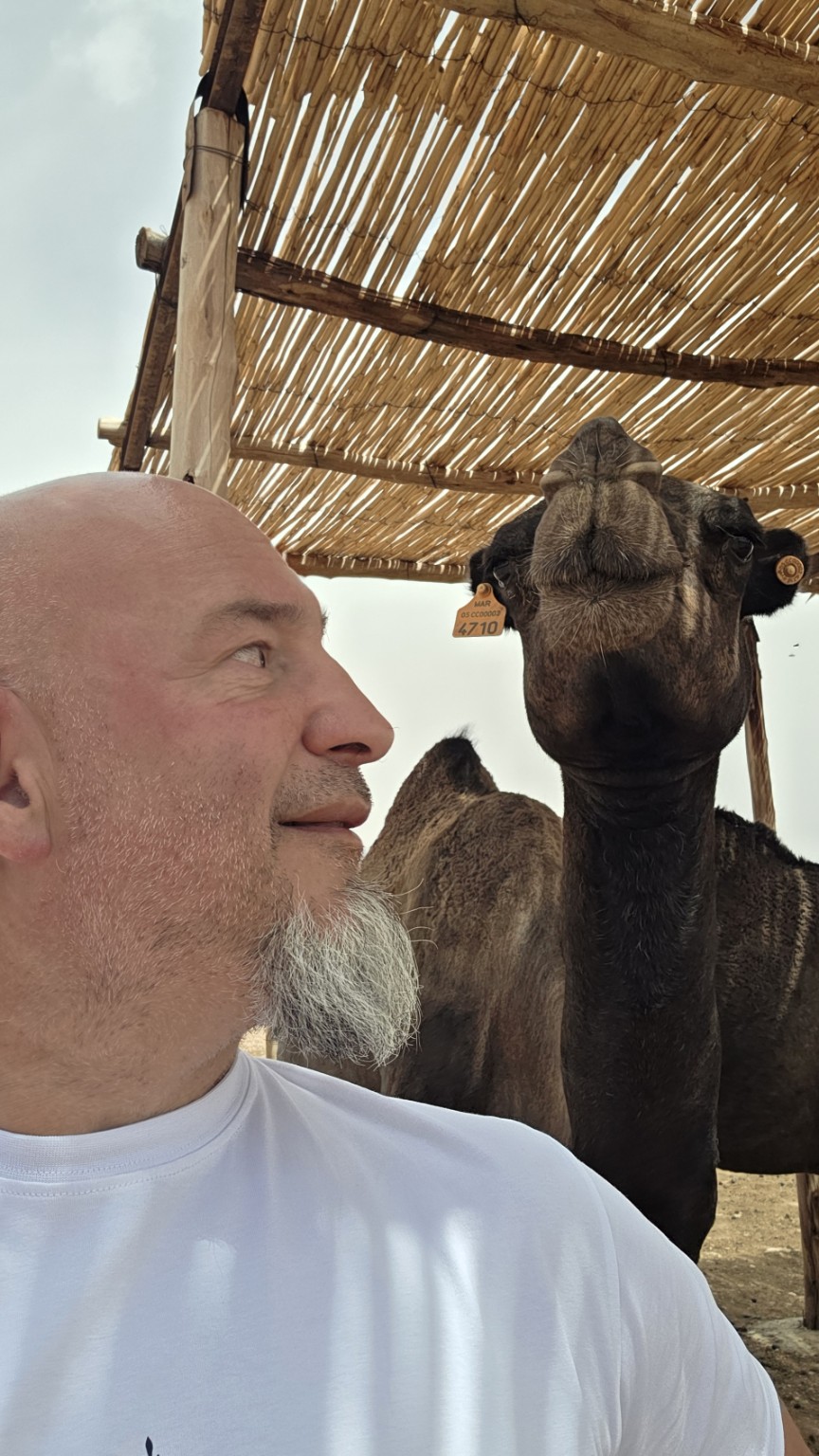
Travel in this part of Morocco has its own rhythm. You drive, look out of the window, stop, and then something small happens that you later remember as clearly as a major destination. In Damia, it was meeting a camel beneath a reed shelter. I approached with my phone and tried to fit us both into the frame. It raised its head, I glanced sideways and a memory was made that needs no serious explanation. After all those grand thoughts among the dunes, some ordinary laughter was welcome.
Zaida – Where Smoke Gives the Road Its Character
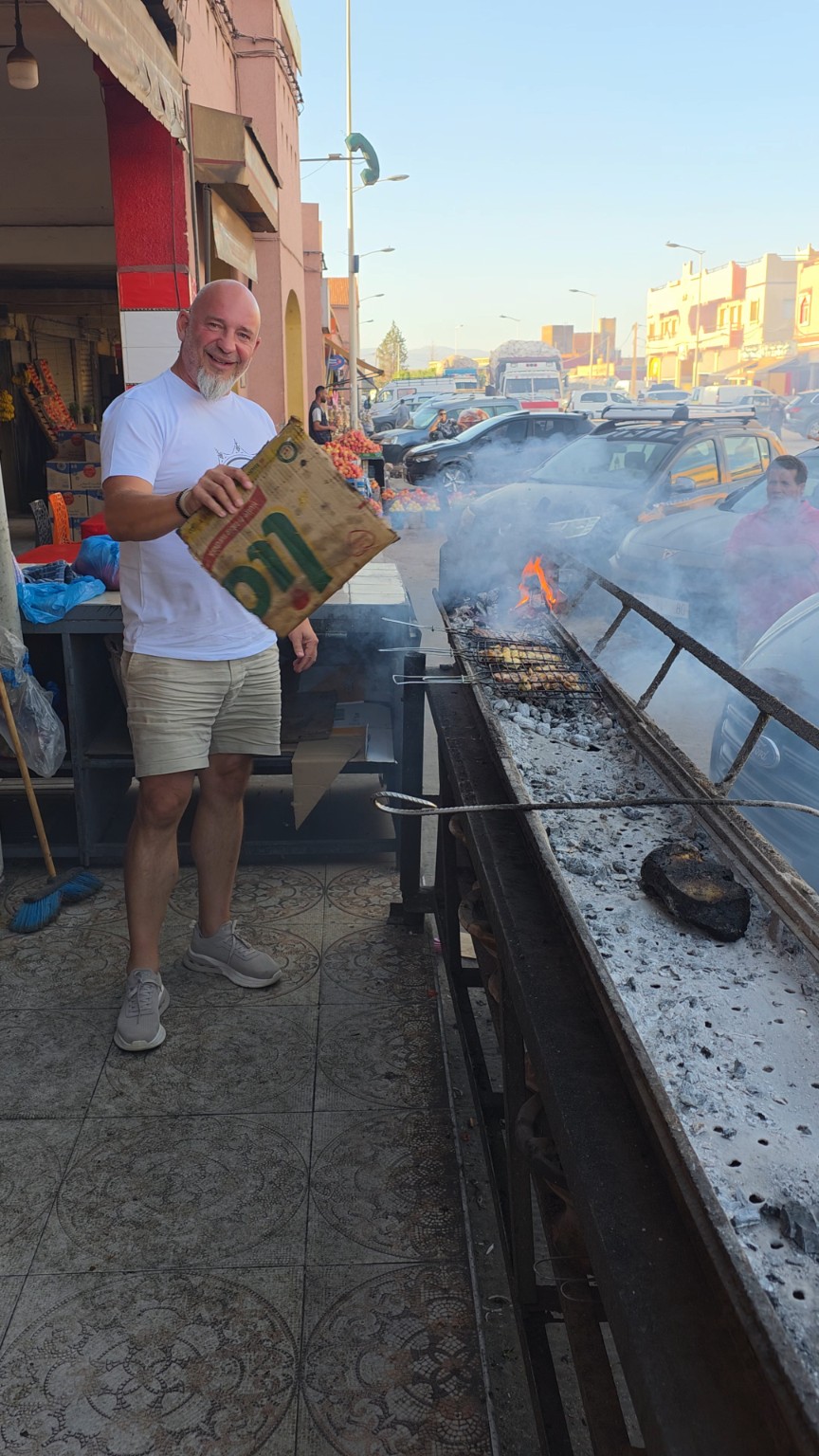
Our stop in Zaida had an entirely different smell. Beside the road stood grill restaurants, with long barbecues, embers and skewers outside. Smoke rose among displayed fruit, parked cars and passers-by. Food was prepared before you at the pavement’s edge, with traffic passing almost within reach. After the workshop’s careful attention to each movement of a tool, everything happened at once here: fire, conversation, movement and cooking.
I did not remain an observer for long. A piece of cardboard found its way into my hand, and I used it to fan the embers. I stood beside the great grill, surrounded by smoke, wearing a smile difficult to arrange for a photograph. Stops like this make me feel that I have briefly entered a place’s rhythm. Zaida remains in this story through that simple scene: skewers over embers, cardboard in hand and life continuing undisturbed around us.
Among the Cedars – An Encounter on a Wing Mirror
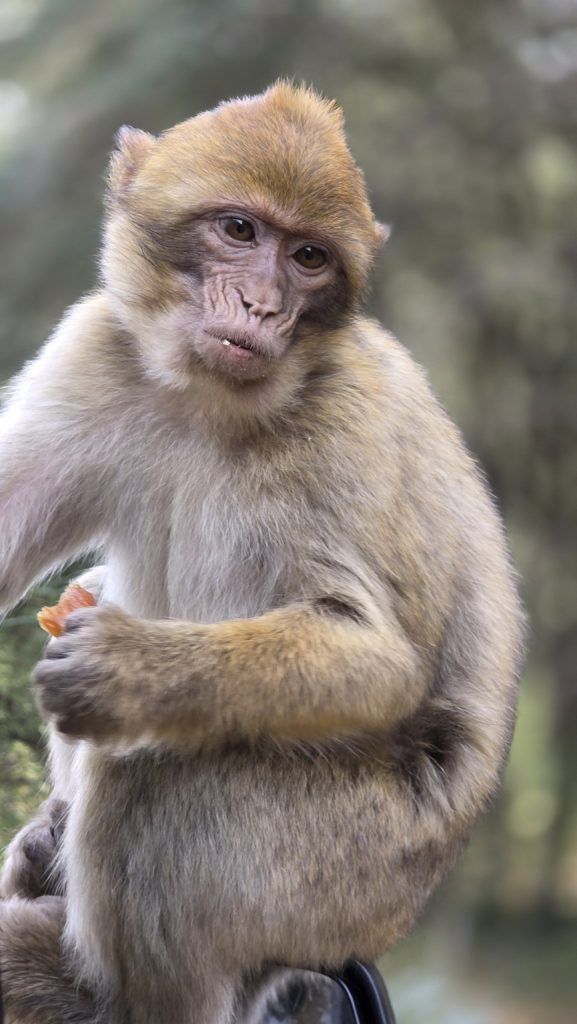
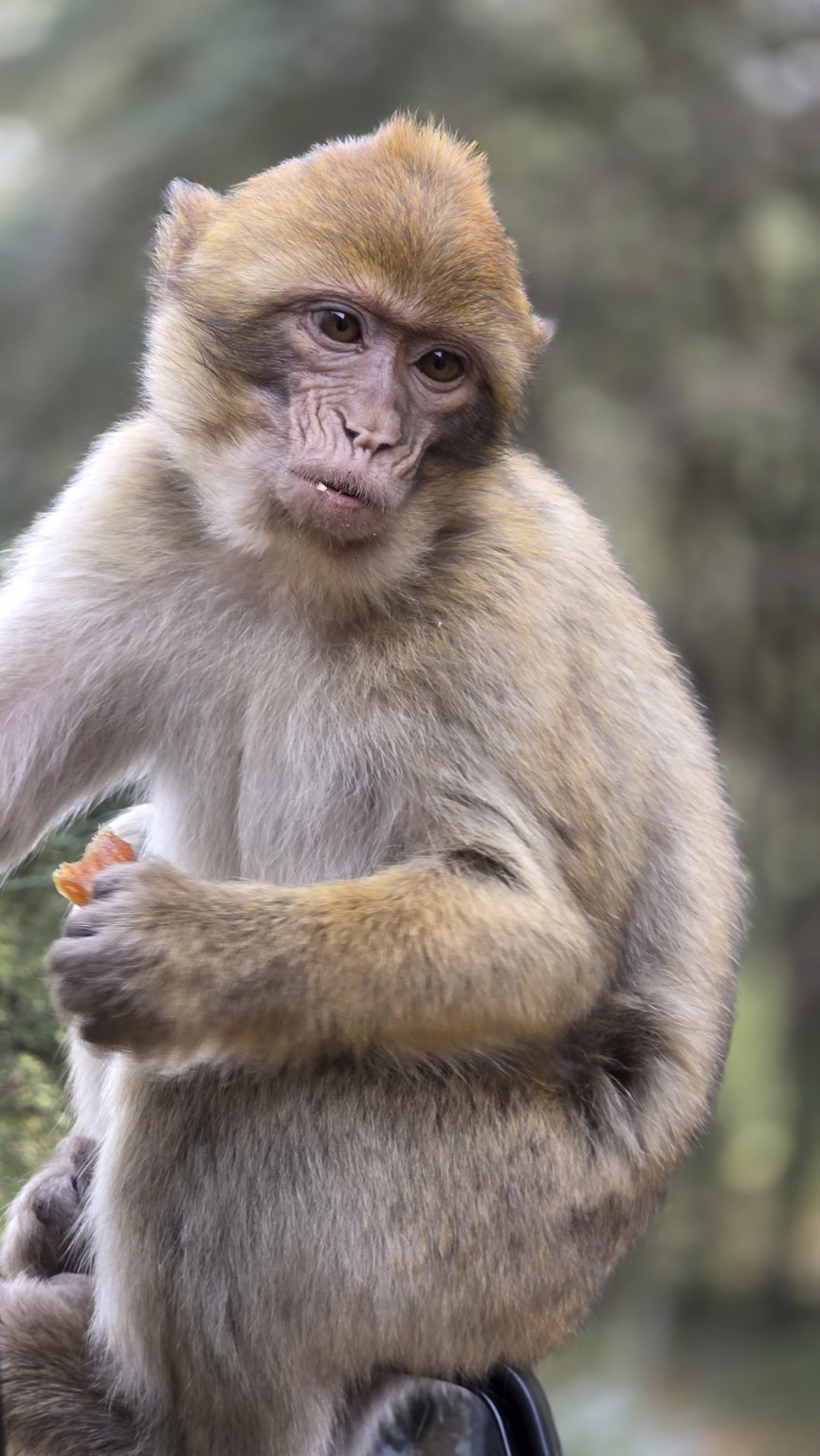
As we approached the Middle Atlas, the view changed more and more. Greenery, trees and shade followed open, dry country. In the cedar forest beside the N13, at a spot marked Monkey Park, we stopped for its most curious inhabitants. Barbary macaques belong to these mountain forests, and meeting them offered another reminder of Morocco’s remarkably varied landscapes and wildlife.
One settled on our vehicle’s wing mirror. I watched at close range: tiny finger movements, thick fur and a face that briefly looked almost thoughtful. Then it turned its head or shifted position, changing the whole expression. A short video preserves that encounter without anything special needing to happen. It was enough that the macaque chose the mirror and we paused long enough to look.
Ifrane – Flowers, Shade and a Stone Lion
In Ifrane, the transformation became even clearer. Neat paths, flowerbeds, benches and leafy trees presented a scene I would struggle to connect with the dunes had I not personally travelled the road between them. This Middle Atlas town is known for its mountain setting and cooler climate; winter brings snow. After the southern landscapes, the lawns and plentiful shade already felt like arrival in another part of the world.
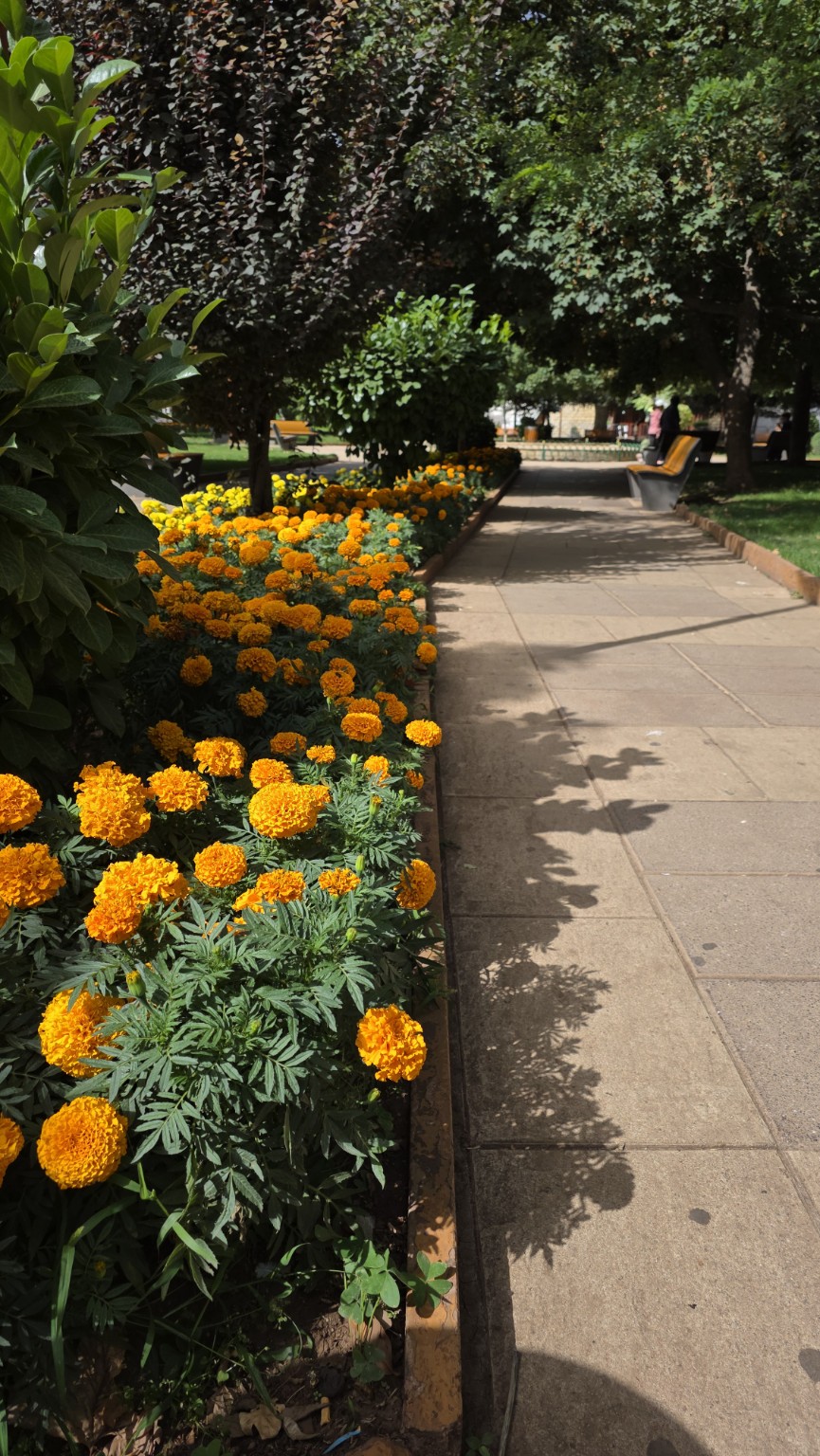
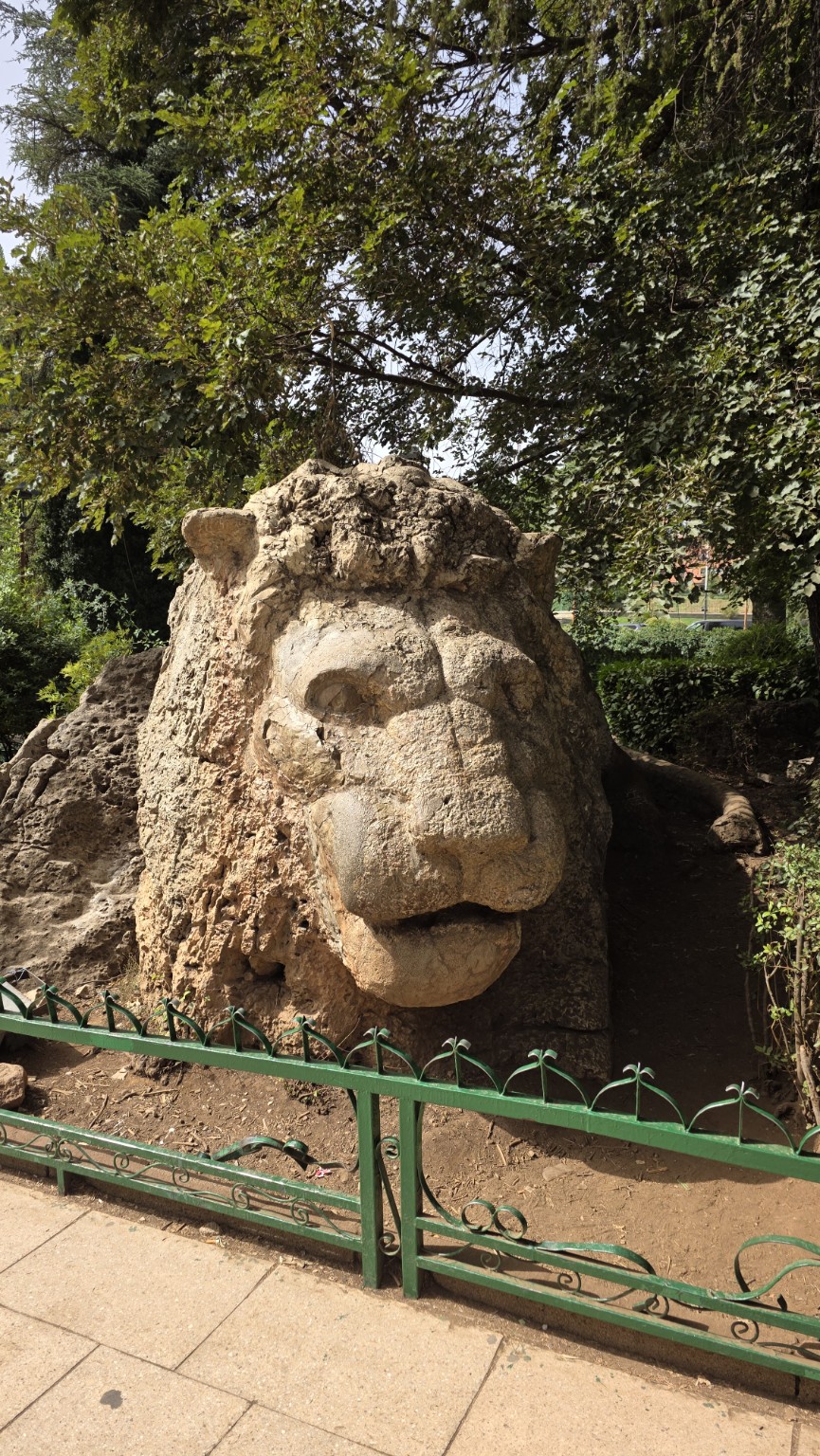
We also stopped at Ifrane’s stone lion. Its face emerges from rock surrounded by greenery, while nearby a path follows beds of yellow and orange flowers. After the lively encounter with the macaque, this lion calmly endured all our attention. The park walk was pleasant precisely because it demanded little: some time, a few steps and eyes resting on greenery.
Fez Still Awaits
Towards Fez, I revisited the scenes we were leaving behind: a craftsman over stone, a camel beside my shoulder, smoke above a grill, a macaque on a mirror, a lion among trees. Each belonged to the same journey, yet each said something different about the country. Had we simply hurried to arrive, many encounters would have remained on the other side of the window.
Arrival in Fez ends this stage. I am saving its medina for the next story, when we leave the road’s clarity and enter streets revealing the city step by step. After the desert’s openness and the cedars’ shade, it is time for the old city’s gates, passages, workshops and people.
Previously in the series: Barefoot into Silence – Night and Morning among the Dunes of Erg Chebbi.
Next: Lose Your Way in the Medina, Find the Soul of Morocco, the conclusion of Seven Days in Morocco.
Information on fossil crafts and the Middle Atlas: the Moroccan National Tourist Office – Nature and Fossils, and Ifrane.